California Deer Zones, Tags and Non-Lead Ammunition
Deer hunting in California is organised around zones rather than a single statewide season, and the tag system rewards people who plan a year ahead. This guide explains how the zones work, how tags are allocated, what firearms are legal and the non-lead ammunition rule that applies everywhere in the state. General information, not legal advice. Season dates change every year, so check the current CDFW mammal hunting regulations before you buy a tag, and note that several California firearm rules are in active litigation.
How the zones are built
The Department of Fish and Wildlife divides California into deer hunt zones described in Title 14, section 360 of the California Code of Regulations. The boundaries are written as road, river and ridge descriptions, not county lines, so a single county can hold several zones. The families are:
- Zone A - the huge coastal and western zone, split into north and south units, covering ground from Mendocino and Lake counties south through the Bay Area, the Salinas Valley and the central coast into the San Joaquin Valley. Blacktail and black-tailed hybrids, early season, general tags.
- Zones B-1 to B-6 - the north coast and Klamath country: Del Norte, Humboldt, Trinity, Siskiyou, Mendocino, Tehama and western Shasta. Big timber, hard walking, blacktail deer.
- Zones C-1 to C-4 - northeastern California across Siskiyou, Shasta, Lassen, Plumas, Butte, Glenn and Tehama, with Lassen Volcanic country in the middle of C-4.
- Zones D-3 to D-19 - the long chain down the Sierra Nevada and into southern California, from the Feather River drainage through Yosemite and the Kings and Kern country to the Angeles, San Bernardino and Cleveland national forests and the desert ranges.
- Zones X-1 to X-12 - restricted, draw-only zones in the northeast and the eastern Sierra, from Modoc down through Lassen and Plumas to Inyo and Mono. Fewer tags, better age structure.
Hunters are responsible for knowing where the boundary actually runs. Read the section 360 description for your zone and carry a map, because the regulation text controls, not a colour block on a phone app.
Tags and the drawing
Every deer hunter needs a California hunting licence and a deer tag. Tags come in two broad kinds. General tags for zones such as A and many of the B, C and D zones are sold over the counter until the quota fills, which for popular zones happens early. Premium and restricted tags, including all of the X zones and many additional hunts, are allocated through the Big Game Drawing, which has an application deadline in early summer. Unsuccessful applicants accumulate preference points, so the expensive X-zone tags tend to go to people who have applied for several years running. There is also a second deer tag available in some zones, plus area-specific archery hunts and additional hunts with their own quotas and dates.
Check the current Big Game Hunting Digest for this year's deadline, quotas and the list of available deer tags. If you have never applied, start applying even in years you do not plan to hunt, because points are the currency of the system.
Legal firearms for deer
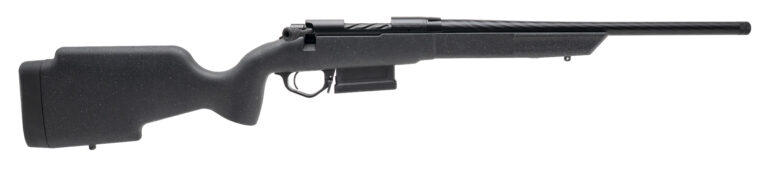
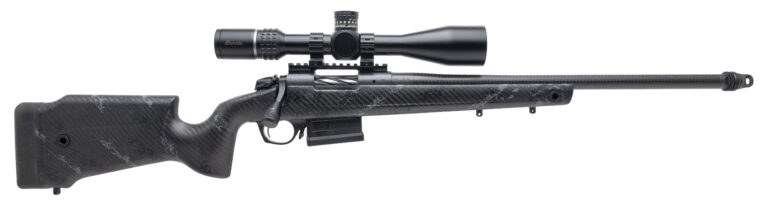
California is more permissive than several eastern states about actions and less permissive about configuration. Centerfire rifles are the standard tool for deer, and unlike Pennsylvania or Iowa, California does not bar semiautomatic actions for deer. What California does bar is any rifle that meets its assault weapon feature test, and any magazine holding more than ten rounds. That is why the working California deer rifle is a bolt action, a lever action, or a featureless or fixed-magazine semiautomatic in a hunting calibre.
Shotguns with single-projectile loads and muzzleloaders are legal where the regulations allow them, and some hunts are archery or muzzleloader only. Handgun hunting is permitted within the regulations. Check the method-of-take rules for your specific hunt rather than assuming, since additional hunts often narrow the choice.
The non-lead ammunition requirement
This is the rule that catches visiting hunters. Since July 1, 2019 non-lead ammunition is required to take any wildlife with a firearm anywhere in California, on public land and private land alike, and it extends to depredation permits issued by the Department. The requirement came out of Assembly Bill 711, phased in from 2015. A qualifying projectile contains one percent lead or less, and manufacturers submit ammunition to CDFW for certification, which maintains a list of approved loads.
Enforcement is real. Wildlife officers may inspect all ammunition in your possession and may seize cartridges for analysis if they suspect lead. Target shooting is not covered, and a concealable firearm carried purely for personal protection may hold lead ammunition as long as it is not used to hunt, but the cleanest approach is to leave lead-core hunting ammunition at home and buy a certified non-lead load for the trip. Copper monolithics and bonded lead-free designs have improved a great deal, and in the common deer calibres there is no real performance penalty any more. Sight your rifle in with the exact load you will hunt, because non-lead bullets often print differently.
Picking a zone if you are starting out
If you live in the Bay Area, the Central Coast or the San Joaquin Valley, Zone A is the obvious first season: general tags, an early opening, and a lot of ground. If you are in the north, the B zones offer more deer but harder country and weather. If you live on the east side, put in for the X zones and hunt a general zone while the points build. Southern California hunters have the D zones in the Angeles, San Bernardino and Cleveland national forests close at hand, though access and fire closures are a real planning factor.
Gear
Build the rifle around a California-legal configuration first and the calibre second. Rifles, optics and ten-round magazines are in our online shop, and every firearm ships to the licensed California FFL you choose, as explained in our online buying guide. Remember that certified non-lead ammunition, like all ammunition, has to go to a licensed California ammunition vendor for the in-person eligibility check; see our ammunition guide. For the wider legal picture, read our California gun laws overview, and for the state's year-round game mammal see our wild pig guide. Pickup options by city are on our California gun shop pages. Current as of September 2026.
General information, not legal advice. Current as of September 2026. Laws change; check the official source before you act.