California Gun Laws: Buying, Owning, Carrying and Storing
California has the most layered firearm rules in the country, and several of them are in active litigation, so what is true this month may change. This guide is a plain-English summary of how buying, owning, carrying and storing firearms works in California as of September 2026. General information, not legal advice. The statutes sit in the California Penal Code, and the Department of Justice Bureau of Firearms publishes the forms, rosters and fee schedules that dealers work from.
Buying from a dealer
Every retail firearm transfer in California goes through a licensed dealer, and there is no way around it. When you order from our online shop, the firearm is shipped to a California dealer you pick, and you finish the paperwork in person there.
At the counter you will:
- Show a valid California driver licence or DMV identification card.
- Show a second document proving California residency, such as a recent utility bill, a signed residential lease, a property deed, or a DMV vehicle registration. Bank statements, pay stubs and voter registration cards are not accepted.
- Present a valid Firearm Safety Certificate, unless you are exempt.
- Complete the federal ATF Form 4473 and the state Dealer Record of Sale, known as the DROS.
The state fee is $37.19, made up of a $31.19 DROS fee, a $1.00 Firearms Safety Act fee and a $5.00 safety and enforcement fee. The dealer adds its own transfer fee, so ask before you choose where to send the order. California also charges an 11 percent excise tax on the retail sale of firearms, precursor parts and ammunition, which falls on the licensed dealer or ammunition vendor rather than on an out-of-state shipper.
The Firearm Safety Certificate
The Firearm Safety Certificate is a written test of 30 questions on safe handling, storage and California law. You need 23 correct to pass, the fee is $25, and the certificate is valid for five years. A current California hunting licence exempts you, but only for rifles and shotguns. Peace officers, active military and holders of a concealed carry licence are also exempt. Details are in our guide to buying online.
The 10-day wait
California requires the dealer to hold the firearm for ten 24-hour periods measured from the moment the Department of Justice accepts the DROS. The clock does not start when you fill out the form, and a concealed carry licence does not shorten it. If you do not collect within 30 days, the background check expires and the dealer must submit a new DROS.
The Roster of Certified Handguns
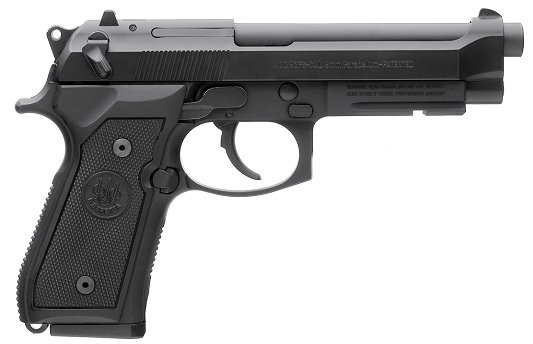
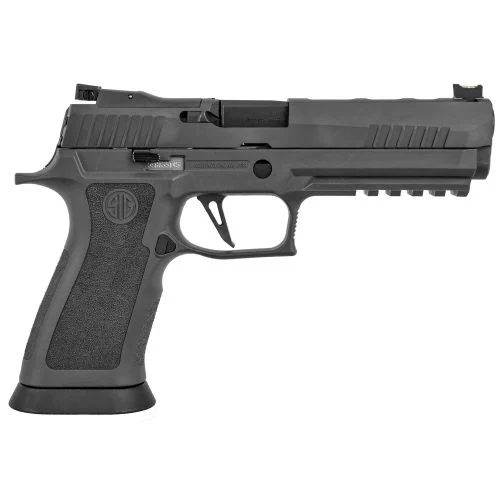
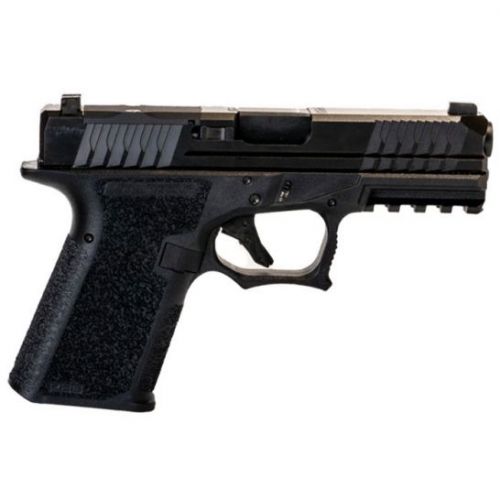
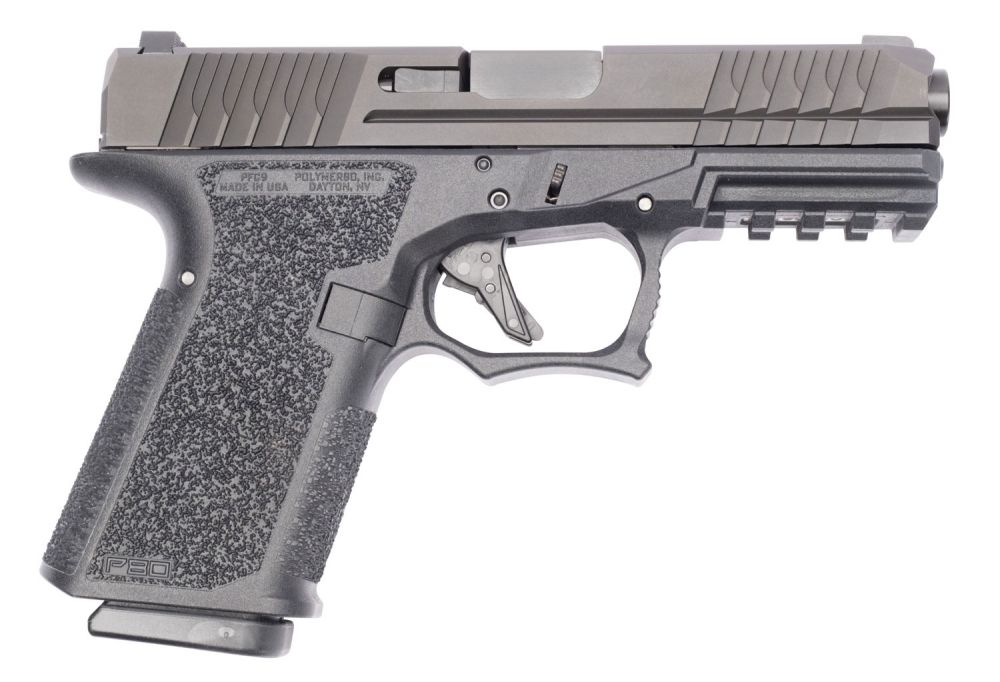
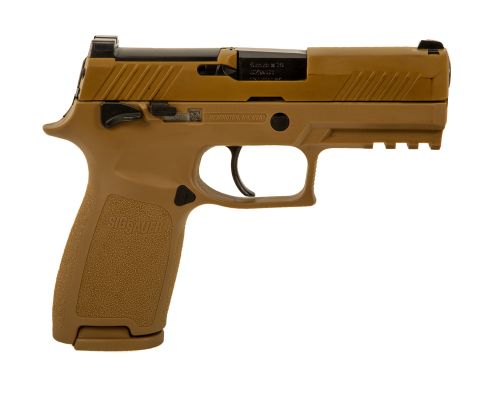
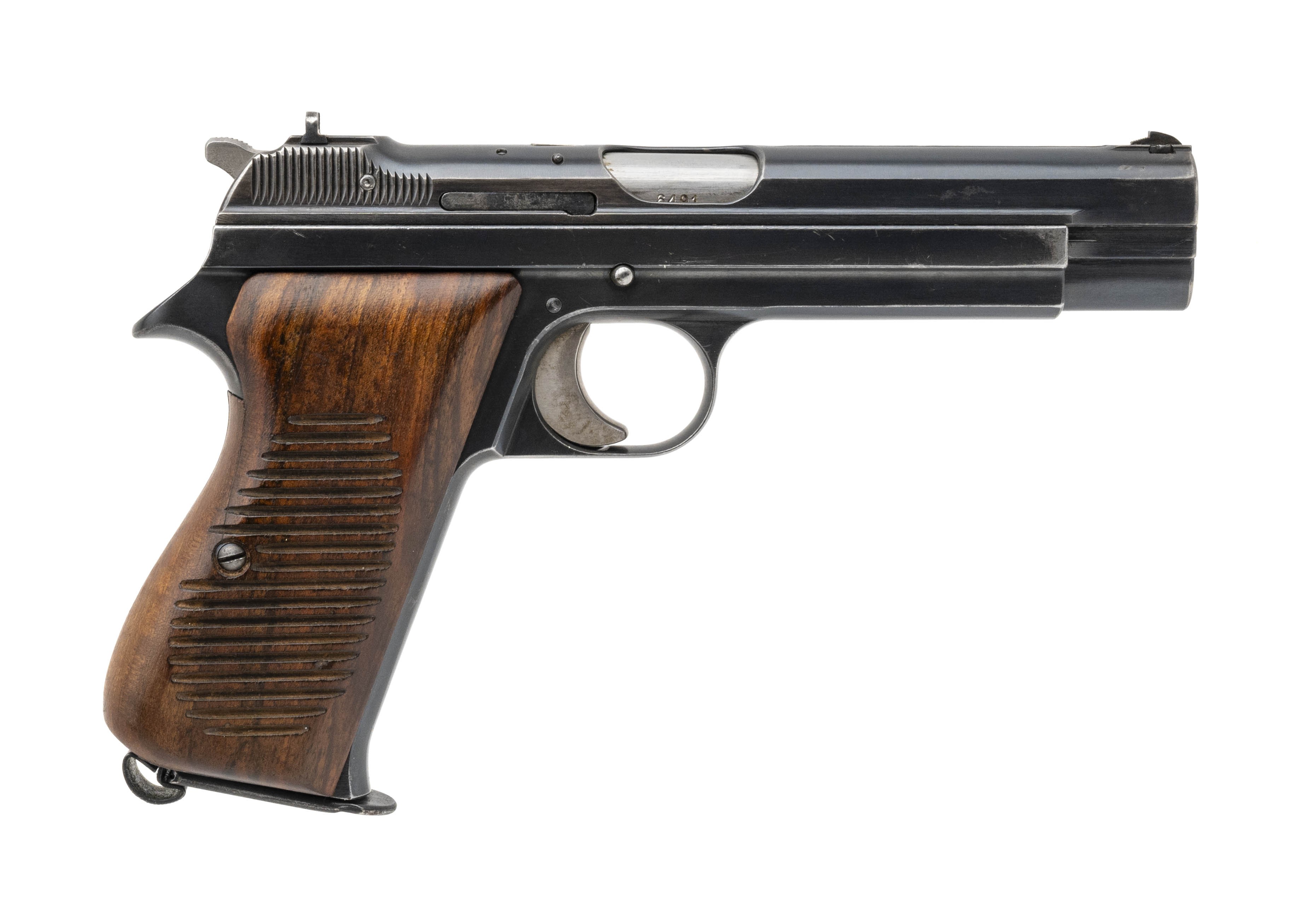
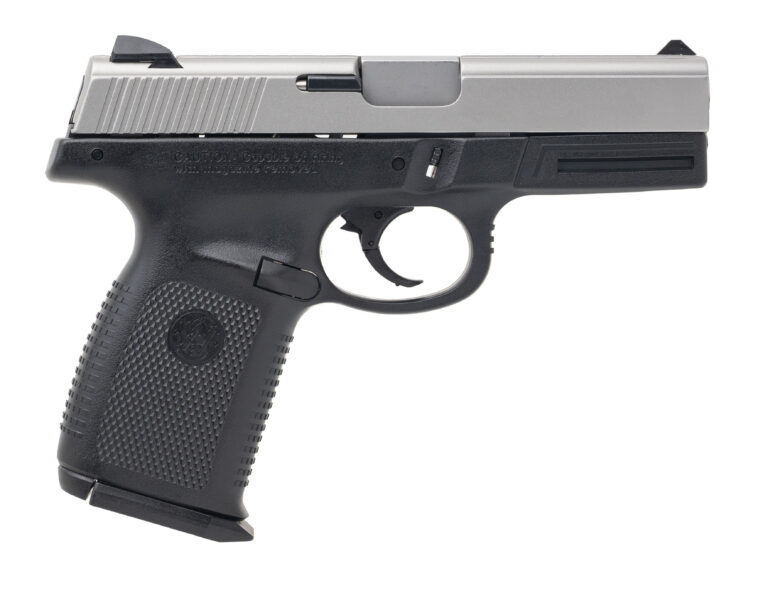
Handguns sold new by a California dealer must appear on the Department of Justice Roster of Certified Handguns. Private party transfers between Californians, curio and relic pistols and law enforcement sales fall outside the roster. The roster requirement, and in particular its microstamping component, has been challenged in Boland v. Bonta, and the Department now marks with an asterisk the models it added under the court's order in that case. The appeal is not finished, so treat the roster as a live document and check the current list before you order a handgun.
The 30-day purchase limit
California used to allow one firearm purchase application per 30 days. The Ninth Circuit held that version unconstitutional in Nguyen v. Bonta in 2025, and the Legislature responded with AB 1078. From April 1, 2026 the rule is that you may not apply to purchase firearms in a way that would take you past three firearms in any 30-day period, and the dealer must refuse delivery if the Department of Justice reports you over the line. Exceptions cover peace officers, licensed collectors with a current Certificate of Eligibility, court-ordered relinquishments, replacing a firearm you reported lost or stolen, and a handful of others. Expect this limit to be litigated again.
Assault weapons and the feature test
California bans a list of named firearms and also applies a generic feature test. A semiautomatic centerfire rifle that does not have a fixed magazine is an assault weapon if it has any one of a pistol grip protruding conspicuously beneath the action, a thumbhole stock, a folding or telescoping stock, a flash suppressor, a forward pistol grip, or a grenade or flare launcher. A semiautomatic centerfire rifle with a fixed magazine holding more than ten rounds is an assault weapon whatever its furniture, and so is one under 30 inches overall. A fixed magazine is one that cannot be removed without disassembling the firearm action.
That is why California rifles are sold either as featureless builds, with a grip that does not protrude conspicuously and no flash hider or collapsible stock, or as fixed-magazine builds. Registered assault weapons held by their registered owners are a separate legal category and are not transferable through a retail sale. The assault weapon statute is also under challenge, and the outcome could change what a California dealer may transfer.
Magazines
California prohibits manufacturing, importing, selling or buying magazines that hold more than ten rounds. The Ninth Circuit sitting en banc upheld that ban in Duncan v. Bonta in March 2025, and a petition asking the Supreme Court to take the case has been pending since. Until that changes, we do not ship magazines over ten rounds into California.
Storage and safety devices
A dealer must include or account for a Department of Justice approved firearm safety device with every firearm it transfers, unless you show proof that you own a qualifying gun safe or that you bought an approved device within the previous 30 days. Separately, California's criminal storage laws make you responsible if a child or a prohibited person gets access to a firearm you left unsecured. Handguns carried in a vehicle must be unloaded and in a locked container, and the glove box and utility compartment do not count.
Private party transfers
Any sale, loan or transfer between two Californians who are not dealers has to be run through a licensed dealer, with the same DROS, the same wait and the same eligibility checks. The dealer may charge up to $10 per firearm in handling on top of the state fee.
Ammunition
Ammunition is its own regime in California, and it is the rule most out-of-state buyers get wrong: ammunition cannot be delivered to your home. Read our California ammunition guide before you order.
Carrying and hunting
Concealed carry is licensed county by county under SB 2; see our CCW guide. If you hunt, note that non-lead ammunition is required to take any wildlife with a firearm anywhere in the state, which is covered in our deer zone guide and our wild pig guide.
How we ship to California
Every firearm ships to a licensed California FFL, never to a home. Optics, cleaning gear, slings and most parts ship to your door, ammunition ships to a licensed ammunition vendor, and magazines over ten rounds are not sold into the state. You can find pickup options by city through our California gun shop pages. California law changes every year and several of the rules above are in active litigation, so confirm anything important with the California Department of Justice, your county sheriff or an attorney before you act on it.
General information, not legal advice. Current as of September 2026. Laws change; check the official source before you act.